
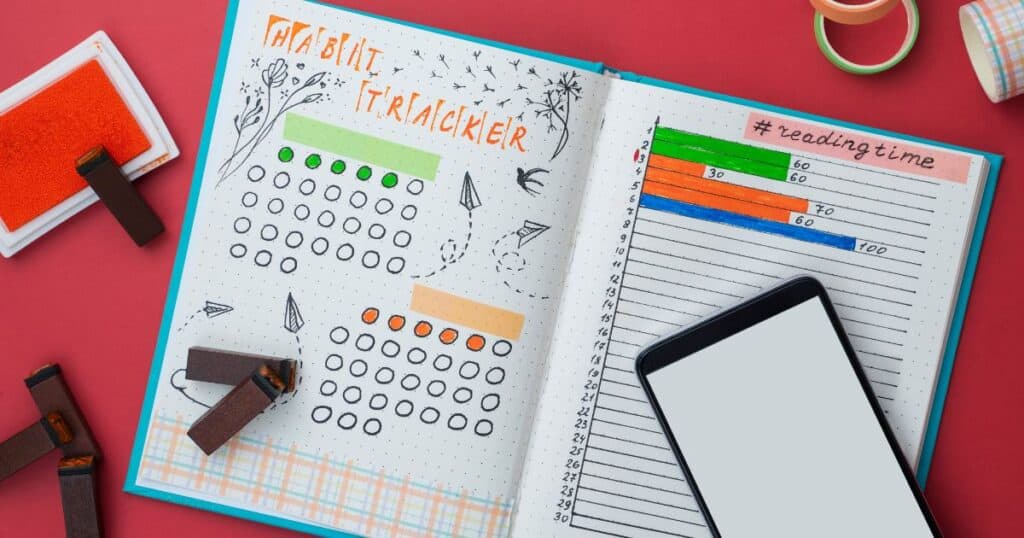
Make It Fun: ADHD-Friendly Gamification for New Habits
This is part of The Gentle Reset Series
This post builds on tiny habits and nervous system regulation by adding the missing piece for many ADHD brains: fun.
If you have ADHD, you may already know that knowing what to do is not always the problem. The harder part is often getting started, staying engaged, and coming back to the habit again tomorrow.
That is where ADHD-friendly gamification can help.
Gamification does not mean turning your life into a productivity app or forcing yourself into another rigid system. It means adding just enough play, novelty, reward, or visual feedback to help your brain feel interested.
When a habit feels lighter, your brain is more likely to return to it.
In This Post, You’ll Learn:
- Why fun is not optional for many ADHD brains
- How gamification can support motivation and follow-through
- Why traditional habit tracking often backfires
- Simple ADHD-friendly gamification ideas to try this week
- How to make habits more playful without pressure or shame
What Is ADHD Gamification?
ADHD gamification means using small elements of play, reward, novelty, or progress tracking to make everyday habits feel more engaging.
This might look like:
- using a timer as a challenge
- earning points or stars
- turning boring tasks into mini-missions
- creating a dopamine menu
- making progress visible with color, stickers, or a “ta-da list.”
The goal is not perfection, it's engagement.
Why Fun Isn’t Optional for ADHD Brains
When it comes to creating habits or new routines, whether or not you have ADHD, why wouldn’t you want to make it fun?
But if you do have ADHD, fun isn’t a luxury.
It’s a brain-based strategy.
ADHD brains need more support from dopamine, the neurotransmitter involved in motivation, attention, and follow-through. Dopamine is often called the “feel-good” chemical, but it’s also deeply connected to interest and engagement.
This means that willpower and discipline alone usually aren’t enough.
What does help is finding ways to make tasks feel:
- interesting
- playful
- rewarding
- visible
- doable
When something feels enjoyable, the brain is more likely to slip into a flow state, where effort feels lighter and follow-through happens more naturally.
This is where gamification comes in.
Why Traditional Habit Tracking Often Fails ADHD Brains
Many habit systems rely on rigid tracking:
- checking boxes
- streak counts
- daily completion charts
- all-or-nothing goals
On paper, these look simple. In reality, they often feel flat, boring, or worse - discouraging.
There’s very little dopamine in ticking a box.
And when a day is missed, those same systems can quietly introduce shame:
- “I already broke the streak.”
- “I’m behind.”
- “What’s the point now?”
For ADHD brains, shame is not motivating.
It shuts things down.
If a habit system makes you feel worse about yourself, it’s not a failure on your part, it’s a mismatch with how your brain works.
Gentle Gamification Ideas for ADHD Habits
Gamification doesn’t mean turning your life into a productivity app. It means adding just enough play, novelty, or reward to help your brain stay engaged.
Here are some ADHD-friendly ways to do that:
1. Use Timers as a Game, Not a Deadline
Set a short timer and see what you can do before it ends.
For example:
- Set a 10-minute timer and tidy as much of the living room as you can.
- Set a 5-minute timer and gather all the dishes from around the house.
- Set a 15-minute timer and do the first small part of a task you have been avoiding.
The key is to stop when the timer ends, even if you are not finished.
The goal is not completion.
The goal is engagement.
This can help reduce the pressure that often makes tasks feel too big to begin.
2. Bring Back Points, Stars, or Tokens
Yes, like childhood sticker charts, because they worked.
You might try:
- One star for 5 minutes of movement
- One point for starting a task you usually avoid
- One token for taking your medication or supplements
- One sticker for putting something away instead of putting it down
Example:
“If I earn three stars this week, I’ll treat myself to something I enjoy.”
The reward does not need to be big.
It just needs to be something your brain looks forward to.
This is not childish. It is nervous-system-friendly motivation.
3. Stack Boring Tasks With Enjoyable Ones
If a task is particularly unenjoyable, pair it with something you like.
For example:
- Listen to a favorite podcast while folding laundry.
- Play music you love while cleaning.
- Watch a comfort show while sorting paperwork.
- Call a friend while walking.
- Use a special drink or candle while doing admin.
One client of mine loved computer games. He would:
- play for 20 minutes
- set a timer for 10 minutes to tackle dishes or laundry
- then return to the game as a reward
This is not cheating.
It is working with your brain.
4. Create a Dopamine Menu
A dopamine menu is a short list of things that reliably give your brain a lift.
Your menu might include:
- music
- movement
- fresh air
- social connection
- novelty
- rest
- a favorite drink
- a quick game
- a change of environment
The idea is to use these intentionally as rewards, resets, or supports, especially after low-interest tasks.
A dopamine menu is especially useful when you are tired, overwhelmed, or stuck, because decision-making is harder in those moments.
You do not have to think from scratch.
You can simply choose from the menu.
5. Turn Tasks Into Quests
Language matters.
Instead of:
- “I need to clean the kitchen.”
Try:
- “Today’s quest: clear the counter.”
- “Mini-mission: start the dishwasher.”
- “Level one: collect the laundry.”
- “Bonus round: put five things away.”
Playfulness lowers resistance.
It can also help a task feel smaller, clearer, and less emotionally loaded.
For ADHD brains, that matters.
6. Add Novelty Before You Get Bored
One reason habits can fade is that the novelty wears off.
That does not mean the habit has failed.
It means your brain may need a small refresh.
You might change:
- the color of your tracker
- the playlist you use
- where you do the habit
- the reward you choose
- the time of day
- the language you use for the task
Novelty does not need to be dramatic.
Sometimes a small change is enough to help your brain re-engage.
Make Progress Visible
ADHD brains often need to see progress.
If progress is invisible, it is easy to feel like nothing is working, even when you are doing more than you realize.
You might try:
- colorful trackers or charts
- stickers or symbols
- digital badges or emojis
- whiteboards or Post-it notes
- a jar where you add a token each time you do the habit
- a simple “done” list at the end of the day
And instead of focusing only on a to-do list, experiment with a “ta-da list”, a list of what you completed.
This can be especially helpful if you tend to dismiss your own effort.
Seeing progress builds momentum.
A Fun Habit to Try This Week
This week, choose one tiny habit you’ve already been working on.
Ask yourself:
- How could this feel more playful?
- Where could I add novelty, color, or reward?
- What would make my brain want to come back?
- How can I make the first step feel easier?
- What kind of progress would I like to see?
At the end of the week, reflect gently:
- What felt fun?
- What felt lighter?
- Where did I follow through more easily?
- What felt too complicated?
- What could I simplify next time?
If your habits don’t feel engaging, they usually won’t last, and that’s not a character flaw. It’s a signal.
This is Week Three of the four-week Gentle Reset series.
We’ve started with:
- tiny habits
- nervous system regulation
- and now, fun and play
Together, these create habits your brain actually wants to keep.
If you’d like support designing routines that work with your ADHD brain, not against it, I’d love to help.


[…] Best for: boredom, inconsistent motivation, “I can’t stick with it”You’ll learn: dopamine-friendly strategies and playful habit designMake It Fun: ADHD-Friendly Gamification for New Habits […]
[…] Instead of doing too much too fast, you’ve taken the pressure off. You’ve started small. You’ve regulated your nervous system. You’ve added fun instead of force. […]