
RSD and ADHD: Why Rejection Feels So Big and What Helps
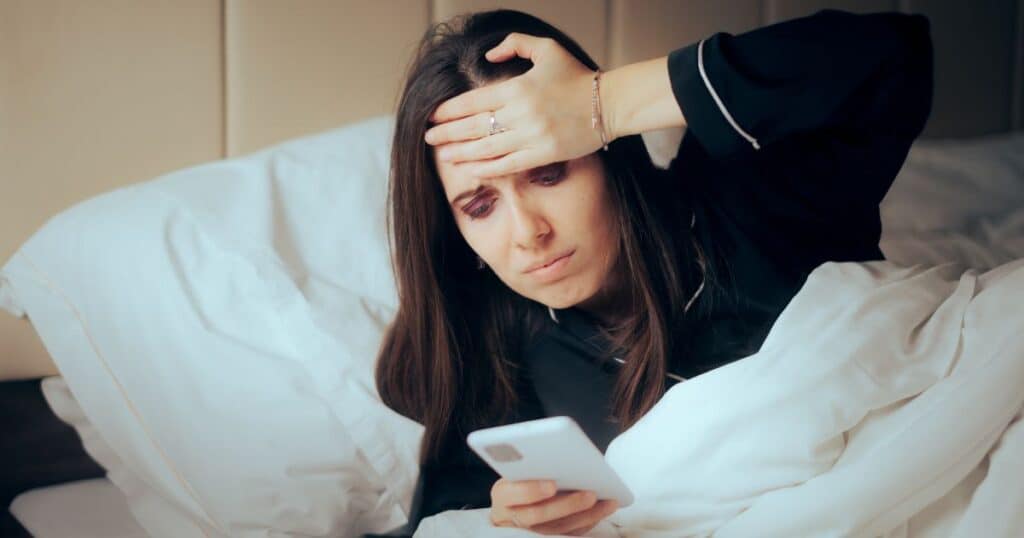
You sent a text to your friend last night and she still has not replied.
Did you say the wrong thing?
Is she upset with you?
Will she talk to you again?
How can you make it right?
You feel it in your body before you can even think clearly. A drop in your stomach. A wave of panic. Spiraling thoughts. Shame that you got it wrong again. Maybe anger. Maybe the urge to hide, shut down, or pull away before anything worse can happen.
Sound familiar?
For many people with ADHD, rejection does not feel small. Whether the rejection is real, perceived, or simply uncertain, the emotional impact can feel intense in both body and mind.
This is often described as Rejection Sensitive Dysphoria, or RSD.
If this feels familiar...
If you have ADHD and often feel crushed by criticism, deeply unsettled by a change in tone, or stuck replaying small interactions for hours, you are not alone. Rejection Sensitive Dysphoria, often called RSD, describes the intense emotional pain that can come with real or perceived rejection. It can affect everyday life, romantic relationships, friendships, and self-esteem, but with awareness, support, and practical tools, it can become much more manageable.
What is RSD?
Rejection Sensitive Dysphoria is a term used to describe an intense emotional reaction to real or perceived rejection, criticism, or disapproval. Many people with ADHD relate strongly to this experience.
It can also show up when you feel left out, misunderstood, judged, or like you have let someone down.
For some people, RSD feels like emotional and/or physical pain that comes on fast and hard. For others, it looks more like anger, defensiveness, people pleasing, or shutting down completely.
This is not about being too sensitive. It is not a character flaw. And it is not a sign of weakness.
Many ADHDers may have a brain and nervous system that react quickly and intensely to cues of criticism, conflict, or disconnection. Even when the trigger looks small from the outside, the emotional experience can feel huge on the inside.
That is part of what makes RSD so hard. Other people may not see what is happening, but your body and mind are already in a full stress response.
How Rejection Sensitive Dysphoria shows up in everyday life
RSD can show up in ways that are easy to miss if you do not know what you are looking for. It is not always dramatic on the outside. Sometimes it happens entirely internally, through spiraling thoughts, shame, or self-criticism.
Here are some common ways RSD can show up in everyday life:
- replaying conversations for hours
- assuming someone is upset with you
- reading neutral messages as negative
- procrastinating because you are afraid of getting it wrong
- avoiding new opportunities in case you fail
- people pleasing or overcommitting so no one is disappointed
- shutting down after feedback
- feeling devastated by a small misunderstanding
- needing lots of reassurance, then feeling ashamed for needing it
- giving up quickly if something feels uncomfortable or uncertain
RSD can also make daily life exhausting. You may spend a lot of energy scanning for signs that someone is unhappy with you, disappointed in you, or pulling away. That constant emotional vigilance can take a real toll.
How RSD affects romantic relationships
RSD can have a big impact on romantic relationships, especially when neither partner has language for what is happening.
You might hear your partner’s frustration as rejection. A simple comment about chores, forgetfulness, or timing may land as proof that you have failed or that they no longer care about you. What starts as a small conversation can quickly feel much bigger.
RSD in relationships can look like:
- reacting strongly to tone of voice
- feeling deeply hurt by minor criticism
- interpreting a partner’s need for space as abandonment
- becoming defensive very quickly
- withdrawing to protect yourself from overwhelm
- masking hurt with anger
- seeking reassurance, then feeling embarrassed for needing it
- assuming conflict means the relationship is in danger
Arguments can escalate quickly when RSD is involved. One partner may be trying to talk about a practical issue, while the other is already in a threat response. Once that happens, it becomes much harder to stay grounded, listen clearly, or respond calmly.
Partners may misread this as overreacting, neediness, or defensiveness, when what is really happening is emotional pain and nervous system overload.
That does not mean harmful behavior is okay. It does mean that understanding the pattern can help couples respond with more compassion and less blame.
How RSD affects friendships, family, and work
RSD does not just affect romantic relationships. It can also affect friendships, family dynamics, and work life in powerful ways.
You may feel excluded easily, even when no exclusion was intended. You might assume friends are drifting away if they do not reply quickly or seem less available than usual. In families, small comments can feel deeply personal, especially if there is already a history of misunderstanding or criticism.
At work, RSD can make feedback feel crushing. Even kind or constructive feedback may trigger shame, panic, or a strong urge to withdraw. It can also make authority figures feel intimidating, and collaboration feel risky.
Common examples include:
- feeling excluded easily
- assuming friends are upset with you or pulling away
- taking constructive feedback very hard
- struggling with authority figures or performance reviews
- feeling crushed by small misunderstandings
- avoiding networking, collaboration, or visibility
- staying quiet because you are afraid of sounding foolish
- overworking to avoid disappointing others
Over time, RSD can chip away at confidence. You may start to hold yourself back, not because you are incapable, but because the emotional cost of possible rejection feels too high.
Practical tips for managing RSD
RSD can feel overwhelming, but there are ways to work with it. The goal is not to never feel hurt. The goal is to notice what is happening, reduce the spiral, and respond with more steadiness and self-compassion.
1. Notice and name it early
Try to catch it as it begins.
You might say to yourself,
“I think I am having an RSD reaction.”
Naming it can create just enough space to help you pause instead of getting swept away by the feeling.
2. Pause the story
Ask yourself:
- What are the facts here?
- What am I assuming?
- Do I know what this person meant?
- Could there be another explanation?
This does not mean your feelings are not real. They are real. But the story your brain builds around those feelings may not be the full picture.
3. Regulate before you respond
When you are flooded, it is much harder to think clearly or communicate well.
Try:
- taking a few slow breaths
- stepping away for a moment
- going for a walk
- listening to calming music
- shaking out tension in your body
- getting outside if possible
Sometimes a little space is enough to help the intensity come down.
4. Do not respond from the height of the feeling
This one matters.
If possible, do not text back, send the email, or continue the argument from the height of the reaction. Give yourself time to settle first. What feels urgent in the moment often feels different later.
5. Reality check with someone you trust
If you have a supportive friend, partner, or coach, let them help you reality check.
You might say,
“I know I may be in an RSD spiral. Can I run this by you?”
This is not about dismissing your feelings. It is about widening the lens so you are not stuck alone with one painful interpretation.
6. Use clear communication in relationships
RSD often gets easier to manage when you can talk about it openly.
You could try saying:
- “I know this may not be what is happening, but I am feeling rejected right now.”
- “I think my nervous system is reacting strongly and I need a minute.”
- “Can you clarify what you meant? My brain is telling a painful story.”
That kind of communication can reduce misunderstandings and help the other person respond with more care.
7. Build in reassurance agreements
In close relationships, it can help to talk ahead of time about what reassurance looks like.
For example:
- agreeing to check in after hard conversations
- using specific phrases that feel grounding
- clarifying that needing space does not mean withdrawing love
- deciding how to pause and return to conflict safely
This can create more safety for both people.
8. Practice self-compassion instead of shame
RSD often comes with a harsh inner voice. You may tell yourself that you are too much, too emotional, too needy, or too difficult.
Try offering yourself something kinder:
- “This is hard for me right now.”
- “I am feeling activated, not broken.”
- “I do not need to judge myself for having feelings.”
Self-compassion does not remove pain instantly, but it can stop the second layer of suffering that shame creates.
9. Take care of your baseline resilience
RSD often feels worse when you are already depleted.
Sleep, food, stress, hormones, burnout, sensory overload, and emotional exhaustion all affect how resilient you feel. Looking after yourself will not remove RSD completely, but it can make you less vulnerable to getting knocked over by every trigger.
10. Get support
You do not have to manage this alone.
Coaching, therapy, and medication support can all be helpful, depending on your needs. Support can help you understand your patterns, build tools for regulation, improve communication, and reduce shame.
Tips for couples when RSD is part of the picture
If RSD is affecting your relationship, it helps to approach it as something the two of you can understand together, not a flaw in one person.
Create a shared language
Talk about what RSD is and how it shows up for you. Let your partner know what it feels like in your body, what tends to trigger it, and what helps in the moment.
The more language you have, the less likely it is that every hard moment turns into confusion or blame.
Slow conflict down
If you are feeling flooded, take a break before trying to solve the problem. In many cases, taking at least 20 minutes can help your body settle enough to come back more grounded.
The goal is not avoidance. The goal is to return when both people can actually hear each other.
Focus on repair, not blame
When a conversation goes sideways, try to repair before proving who was right.
Repair can sound like:
- “I do not think that came out the way I meant it.”
- “I can see you are hurting.”
- “Let’s start this again more gently.”
- “We are on the same side here.”
Repair helps rebuild connection, which often matters more than winning the point.
Use softer start-ups
Timing and tone matter.
Try not to bring up a problem when you are already frustrated and sharp. Use “I” statements rather than “you” statements, which can sound critical and make defensiveness more likely.
Move away from:
“You never help with this.”
Move toward:
“I am feeling overwhelmed carrying this alone.”
That shift can make a big difference.
Agree on phrases that help de-escalate
Some couples find it helpful to have a few phrases ready for moments of activation, such as:
- “I do not think we are against each other.”
- “I need a pause, not a shutdown.”
- “Can you reassure me before we keep talking?”
- “Let’s come back to the actual issue.”
Simple shared language can help interrupt the spiral.
Separate intention from impact
This is a big one.
A partner may not have intended rejection, but the impact may still feel painful. Both things can be true. When couples can hold that complexity, they often get unstuck more quickly.
Final thoughts on RSD and ADHD
RSD does not mean you are broken, dramatic, or incapable of healthy relationships.
It means that certain moments may hit you harder. It means your nervous system may react quickly to the possibility of criticism, disconnection, or letting someone down. And it means that with awareness, support, and practice, you can learn to respond with more steadiness and less shame.
You are not failing because rejection feels big.
You may simply need better tools, more self-understanding, and more compassionate support.
If RSD is affecting your confidence, relationships, or daily life, support can help. ADHD coaching can give you space to understand your patterns, build practical tools, and respond with more clarity and self-compassion. If this is something you are struggling with, you are welcome to book a free consultation or explore how coaching can support you.

